
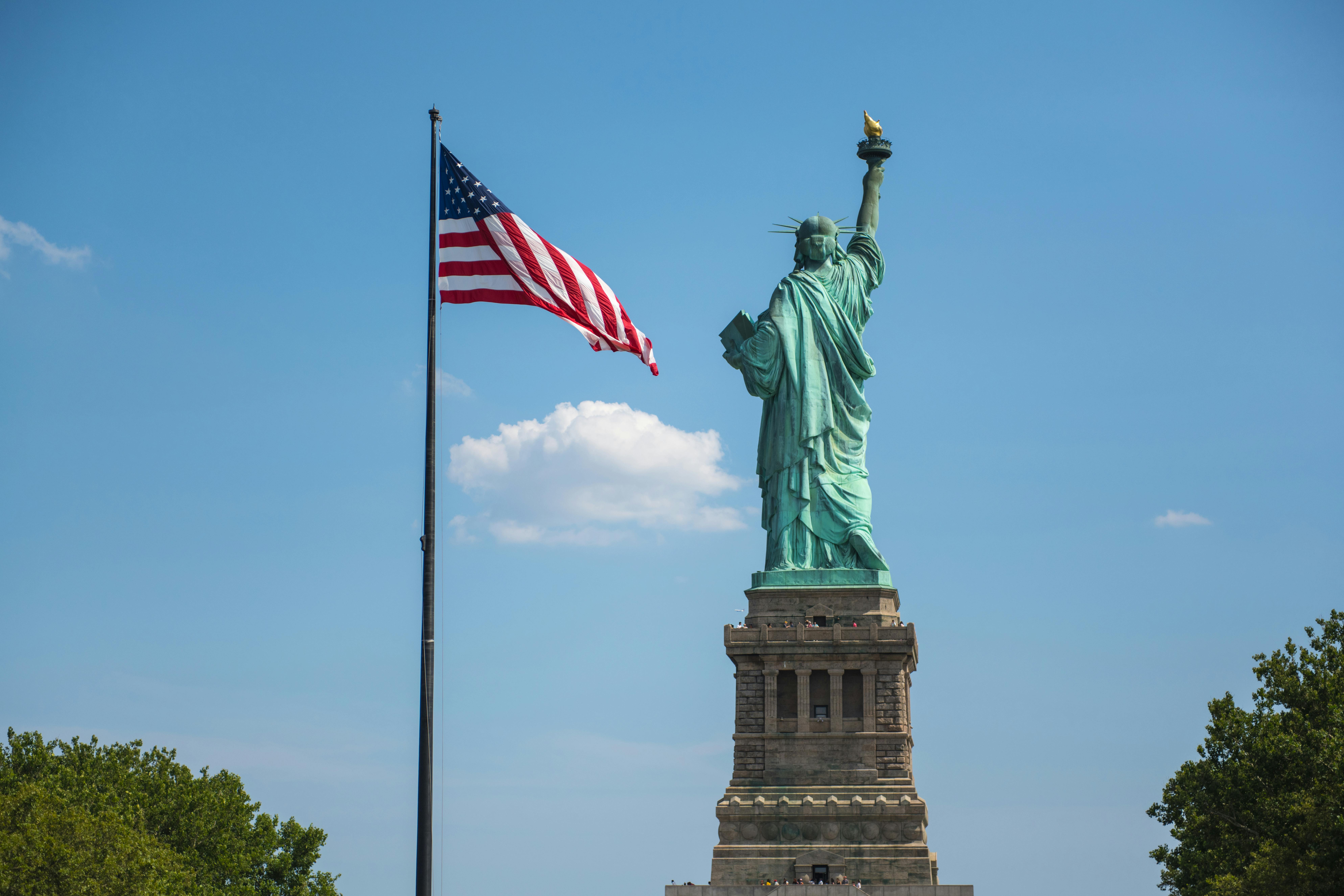
As the USA braces for intensifying extreme weather events in 2026, homeowners face unprecedented challenges. This essential guide from freshhorizondaily.com explores cutting-edge home resilience solutions, from solar battery storage and advanced structural hardening to smart home disaster monitoring and specialized insurance. Discover how to protect your property, ensure energy independence, and secure your financial future against hurricanes, wildfires, floods, and heatwaves. Compare top services and products designed for ultimate preparedness and peace of mind.
Introduction to the Topic
The year is 2026, and the United States stands at a critical juncture. Across the nation, from the scorching Southwest to the storm-battered Gulf Coast, and from the wildfire-prone West to the increasingly flood-vulnerable Northeast, extreme weather events are no longer anomalies but a stark reality. Homeowners, once content with standard insurance and basic maintenance, are now grappling with an urgent question: Is my home truly ready for what's coming?
Fresh Horizon Daily understands this pressing concern. We've witnessed the devastating aftermath of record-breaking hurricane seasons, unprecedented wildfires, and flash floods that have swept away livelihoods. The financial and emotional toll is immense, often leaving families displaced and financially ruined. But amidst this challenging landscape, a powerful movement is gaining momentum: proactive home resilience. This isn't just about rebuilding after a disaster; it's about fortifying your home, securing your assets, and achieving peace of mind before the next storm hits. This comprehensive guide will arm you with the knowledge and actionable strategies to future-proof your home and financial well-being in 2026 and beyond.
Backgrounds & Facts
The scientific consensus is undeniable: climate change is escalating the frequency and intensity of extreme weather. In 2025 alone, the U.S. experienced 28 separate billion-dollar weather and climate disasters, shattering previous records. The economic cost exceeded $250 billion, placing immense strain on federal resources, insurance markets, and individual households. Coastal communities are battling accelerating sea-level rise and more powerful storm surges, while inland regions face prolonged droughts, intense heatwaves, and an expanded wildfire season that now stretches year-round in some western states. The 'atmospheric rivers' phenomenon continues to bring torrential rains and catastrophic flooding to unexpected areas, challenging historical flood maps.
Government initiatives, such as the Bipartisan Infrastructure Law, have allocated billions towards resilience projects, but individual home protection remains paramount. FEMA's 'Building Resilient Infrastructure and Communities' (BRIC) program offers grants, yet awareness and access remain limited for many homeowners. Meanwhile, the insurance industry is undergoing a seismic shift. Premiums for flood and wildfire insurance have skyrocketed, and in some high-risk areas, coverage is becoming increasingly difficult or prohibitively expensive to obtain. This market volatility underscores the critical need for homeowners to invest in physical home hardening and energy independence, not just rely on insurance as their sole defense.
Expert Opinion / Analysis
“We are past the point of debate; adaptation is no longer optional, it’s a societal imperative,” states Dr. Anya Sharma, a leading climatologist and Director of the National Resilience Institute. “The data from the past decade clearly shows a trajectory of increasing risk. Homeowners must shift their mindset from reactive recovery to proactive resilience. Every dollar invested today in fortifying your home is likely to save ten dollars, or more, in future damages and emotional distress.”
Mark Jensen, CEO of Resilient Homes USA, a nationwide firm specializing in climate-proofing residential properties, echoes this sentiment. “The demand for integrated resilience solutions—from impact-resistant windows to solar-plus-storage systems—has exploded. Our project bookings have surged by over 300% since 2023. Homeowners are realizing that relying solely on government aid or insurance after a disaster is a gamble they can no longer afford. They want control, energy independence, and the assurance that their most valuable asset is protected.”
Furthermore, financial planning expert Sarah Chen, author of “Weathering the Financial Storm,” advises, “Don’t just think about the physical structure; consider your financial resilience. Understanding your insurance policy's exclusions, establishing an emergency fund, and exploring state and federal grants for home improvements are just as crucial as installing a new roof. The true cost of a disaster often extends far beyond property damage, impacting livelihoods and mental health for years.” These experts collectively emphasize that a multi-faceted approach, combining structural upgrades, technological solutions, and robust financial planning, is the only sustainable path forward.
💰 Best Options in Comparison (VERY IMPORTANT)
Investing in home resilience is a strategic financial decision that pays dividends in protection, peace of mind, and often, increased property value. Here are some of the leading options homeowners are embracing in 2026 to future-proof their properties against extreme weather:
- Option 1: Integrated Solar + Battery Storage Systems
These systems combine rooftop solar panels with advanced home battery storage units, allowing homeowners to generate their own electricity and store excess for use during grid outages. Key players like Tesla Powerwall, Enphase Encharge, and Generac PWRcell offer robust solutions. Beyond energy independence during blackouts, these systems significantly reduce electricity bills and lower your carbon footprint, making them a dual investment in resilience and sustainability. - Option 2: Advanced Home Hardening & Structural Retrofits
This category encompasses physical upgrades designed to make your home more resistant to specific threats. This includes installing impact-resistant windows and doors (crucial for hurricanes and high winds), reinforcing roofing with wind-rated shingles or metal, elevating foundations in flood zones, and creating defensible spaces with fire-resistant landscaping in wildfire-prone areas. Specialized contractors and high-performance materials from brands like Pella (Impervia series) and Owens Corning (Duration FLEX shingles) are leading the charge in this sector. - Option 3: Smart Home Disaster Monitoring & Automation
Leveraging IoT (Internet of Things) technology, these systems provide early warnings and can even automate responses to emerging threats. Think smart leak detectors that shut off water mains, smart smoke/CO detectors that alert you remotely, temperature sensors that prevent pipes from freezing, and power outage alerts. Comprehensive platforms like Ring Alarm Pro, SimpliSafe, Google Nest, and Ecobee (with integrated sensors) offer integrated solutions, providing remote oversight and rapid response capabilities, potentially mitigating damage before it becomes catastrophic. - Option 4: Specialized Disaster Insurance & Financial Planning
While not a physical upgrade, robust insurance and financial preparation are cornerstones of resilience. This involves securing specialized policies (e.g., dedicated flood insurance through NFIP or private carriers, wildfire insurance in high-risk zones, comprehensive hurricane policies) that go beyond standard homeowners' coverage. Additionally, working with financial advisors to establish emergency funds, understand deductibles, and explore disaster relief programs or home hardening rebates can provide a crucial safety net. Major insurers like State Farm, Allstate, and Farmers are expanding their specialized offerings, often through local, independent brokers.
To help you compare these vital investments, here’s a detailed breakdown:
| Feature / Service | Integrated Solar + Battery Storage | Advanced Home Hardening & Retrofits | Smart Home Disaster Monitoring | Specialized Disaster Insurance & Planning |
|---|---|---|---|---|
| Primary Benefit | Energy Independence, Backup Power | Physical Protection, Damage Prevention | Early Warning, Remote Management | Financial Security, Recovery Support |
| Typical Cost Range (2026) | $25,000 - $60,000+ (pre-incentives) | $10,000 - $100,000+ (per project) | $300 - $1,500 (hardware) + $10-$50/month (monitoring) | Varies (premiums, deductibles, location-dependent) |
| Best For | Power outages, high energy bills, eco-conscious homeowners | High-risk areas (flood, wind, fire), increasing property value | Proactive monitoring, remote homeowners, damage mitigation | All homeowners, especially those in high-risk or evolving risk areas |
| Installation Complexity | High (electrical, roofing expertise required) | High (construction, specialized trades, potentially disruptive) | Moderate (DIY friendly options exist, but professional setup recommended for full integration) | Low (policy review, consultation with agents/advisors) |
| Long-term Value | Reduced bills, increased home value, sustained power, peace of mind | Reduced damage, lower insurance premiums, increased home value, peace of mind | Damage mitigation, faster response times, peace of mind, potential insurance discounts | |
| Key Considerations | Significant upfront cost, optimal sun exposure, local incentives and permitting | Can be disruptive, requires expert assessment of specific risks, material choices | Reliable internet connection, potential subscription fees, integration with existing smart home tech | Policy exclusions, rising premiums, careful review of coverage limits and deductibles |
Outlook & Trends
The future of home resilience is dynamic and innovative. We are seeing rapid advancements in several key areas. Microgrids, for instance, are moving beyond commercial applications and into community-level residential developments, allowing neighborhoods to generate and share power, enhancing collective energy independence during widespread outages. AI and machine learning are revolutionizing predictive maintenance for home systems, anticipating failures before they occur, and optimizing energy use based on real-time weather forecasts.
Modular and prefabricated housing is increasingly incorporating resilience features from the ground up, offering hurricane-rated structures and fire-resistant materials as standard. The 'smart grid' evolution will further integrate home energy systems with utility providers, enabling seamless transitions between grid power and stored energy. Furthermore, government policy is expected to evolve, with more incentives and mandates for resilient building practices, and potentially new funding mechanisms for homeowners in high-risk zones. The market for resilience products and services is poised for continued explosive growth, driven by both consumer demand and technological breakthroughs, making 2026 just the beginning of a sustained focus on future-proofing American homes.
Conclusion
The rising tide of extreme weather in the United States presents undeniable challenges, but it also illuminates a clear path forward: proactive resilience. As a homeowner in 2026, you possess the power to transform your property from a potential victim of nature's fury into a fortress of safety and security. Investing in solutions like integrated solar and battery storage, advanced structural hardening, smart home disaster monitoring, and comprehensive insurance isn't merely an expense; it's a strategic investment in your family's safety, your property's value, and your long-term financial stability.
Don't wait for the next storm, wildfire, or flood to prompt action. The time to prepare is now. We urge you to assess your home's vulnerabilities, research the options presented, and consult with qualified professionals. Secure quotes, compare services, and begin your journey towards a more resilient future. By taking these crucial steps, you're not just protecting your home; you're safeguarding your peace of mind and embracing a proactive approach to living in an ever-changing world. Future-proof your home, secure your wallet, and live with confidence, knowing you've made the smart choice for 2026 and beyond.