
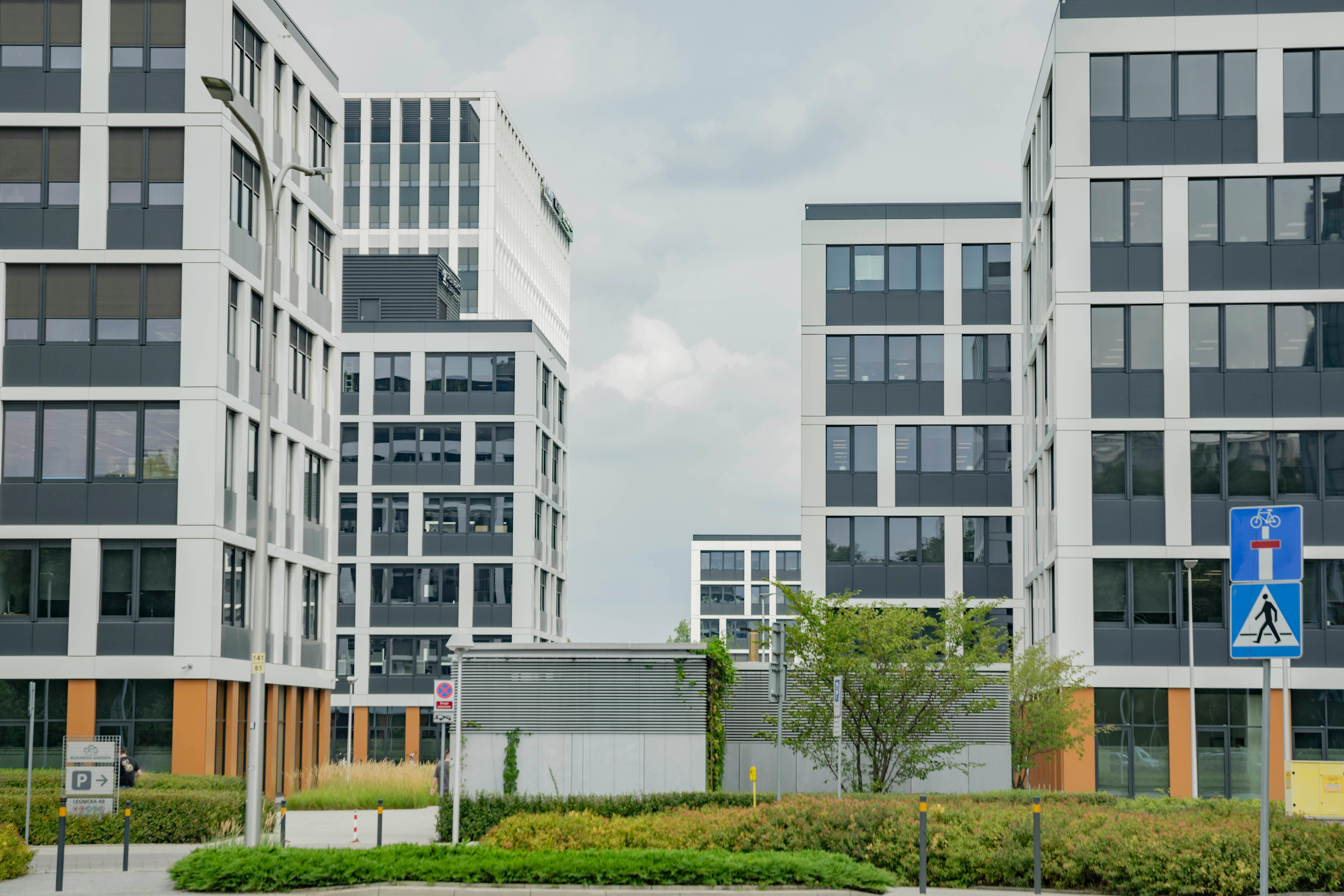
Discover how fractional ownership is democratizing luxury real estate in 2026, offering smart investment opportunities in high-end properties. Compare leading co-ownership platforms, understand the benefits of diversified portfolios, and find your path to premium vacation homes and investment assets. Optimize your wealth building with innovative PropTech solutions.
Introduction to the Topic
Welcome to 2026, where the dream of owning a slice of paradise – be it a beachfront villa in Turks & Caicos, a penthouse overlooking Central Park, or a serene chalet in the Swiss Alps – is more accessible than ever before. For decades, ultra-luxury real estate remained the exclusive domain of the ultra-wealthy, demanding exorbitant capital outlays and significant ongoing management. However, a revolutionary investment model has emerged from the shadows of traditional timeshares, evolving into a sophisticated and highly attractive proposition for discerning investors: fractional ownership. This isn't your grandparent's timeshare; it's a meticulously structured, professionally managed, and often equity-backed co-ownership model designed to provide all the benefits of luxury property ownership without the singular burden of its entire cost and upkeep. In an era where smart investment and diversified portfolios are paramount, fractional ownership platforms are not just trending – they are redefining access to the world’s most coveted addresses, offering a compelling blend of lifestyle enhancement and strategic wealth building. Are you ready to explore how you can leverage this powerful trend to acquire premium real estate assets in 2026?
Backgrounds & Facts
The concept of sharing property has ancient roots, but modern fractional ownership, particularly in the luxury segment, is a relatively recent phenomenon, gaining significant traction over the last decade. Unlike timeshares, which typically offer usage rights for a specific week or period and often depreciate, modern fractional ownership typically involves purchasing a deeded share of a tangible asset. This means you own a percentage of the property itself, complete with equity potential and often proportional rental income opportunities. By 2026, the market has matured, driven by several key factors:
- Exorbitant Property Values: The cost of prime luxury real estate has continued its upward trajectory, making full ownership prohibitive for many high-net-worth individuals who prefer to diversify their capital.
- Desire for Diversification: Savvy investors are increasingly looking to spread their investments across various asset classes and geographies. Fractional ownership allows them to add high-value real estate to their portfolio without concentrating too much capital in a single asset.
- Remote Work & Lifestyle Shifts: The global shift towards flexible work arrangements has fueled a demand for secondary residences and vacation homes in desirable locations. Fractional ownership provides access to these properties without the year-round commitment or maintenance burden.
- Technological Advancements (PropTech): Sophisticated PropTech platforms have streamlined the entire process, from property sourcing and legal structuring to booking systems and professional management, making fractional investment seamless and transparent.
- Sustainability & Shared Economy: A growing awareness of resource utilization and the appeal of the sharing economy aligns perfectly with fractional ownership, promoting efficient use of valuable assets.
Legal frameworks have also evolved, offering robust protections for fractional owners, often establishing property-specific LLCs or trusts to hold the asset, ensuring clear ownership rights and responsibilities. The global fractional ownership market for luxury homes is projected to continue its robust growth, attracting both lifestyle buyers and astute investors seeking tangible assets with appreciation potential.
Expert Opinion / Analysis
“Fractional ownership isn't just a niche market anymore; it’s a mainstream investment strategy for luxury assets,” states Dr. Anya Sharma, a leading PropTech economist at the Global Real Estate Institute. “We’re seeing a significant shift away from the traditional ‘own it all’ mentality. Today’s affluent buyer values flexibility, professional management, and intelligent capital deployment. Why tie up $10 million in a single vacation home you’ll use for a few weeks a year when you can invest $1-2 million into several premier properties globally, each professionally managed and offering potential appreciation?”
Dr. Sharma highlights several key advantages:
- Lower Entry Barrier: It democratizes access to properties that would otherwise be unattainable, allowing investors to buy into multi-million dollar assets for a fraction of the cost.
- Professional Management: Most platforms provide comprehensive property management, handling everything from maintenance and cleaning to staffing and concierge services. This eliminates the headaches typically associated with owning a second home.
- Diversification: Investors can spread their capital across multiple luxury properties in different geographies, reducing risk and expanding their lifestyle options.
- Cost Efficiency: Operating expenses, taxes, and maintenance costs are shared proportionally among owners, significantly reducing the annual financial burden.
However, she also cautions on potential drawbacks:
- Less Control: While you own a share, you don't have absolute control over the property's management or usage schedule, which is typically governed by a booking algorithm or co-ownership agreement.
- Resale Market: While improving, the secondary market for fractional shares can still be less liquid than for whole properties. Choosing a reputable platform with a clear exit strategy is crucial.
- Reliance on Management: The quality of your experience heavily depends on the platform’s management capabilities and financial stability.
“For 2026, the trend is clear: fractional ownership is a powerful tool for intelligent wealth building and lifestyle enhancement, provided investors conduct thorough due diligence on both the property and the platform managing it,” concludes Dr. Sharma.
💰 Best Options in Comparison (VERY IMPORTANT)
Navigating the burgeoning market of fractional ownership platforms can be complex. To help you make an informed decision and find the best fit for your investment and lifestyle goals, we’ve compared some of the leading platforms revolutionizing luxury real estate in 2026. These platforms cater to different preferences, from ultra-exclusive global portfolios to eco-conscious retreats.
1. EliteShares Global
Overview: EliteShares Global is at the pinnacle of ultra-luxury fractional ownership, specializing in exclusive, high-value properties in the world's most coveted destinations – think private islands, historic estates, and prime metropolitan penthouses. They target ultra-high-net-worth individuals seeking unparalleled service and investment opportunities in truly unique assets. Their portfolio includes properties valued from $10 million to $100 million+.
- Target Demographic: Ultra-high-net-worth investors, discerning individuals seeking bespoke luxury experiences and significant asset appreciation.
- Property Focus: Ultra-luxury, one-of-a-kind properties in global hotspots (e.g., St. Barts, London, Aspen, Monaco).
- Key Features: White-glove concierge service, private jet access coordination, bespoke interior design, strict owner vetting, blockchain-secured ownership records for enhanced transparency and liquidity.
- Minimum Investment: Typically $1.5M - $5M+ per share.
- Pros: Access to truly exceptional properties, highest level of service, strong potential for capital appreciation, exclusive community.
- Cons: Highest entry barrier, potentially less flexible usage due to high demand for limited shares.
2. VoyageVest Properties
Overview: VoyageVest offers a robust selection of luxury vacation homes and secondary residences in prime leisure destinations across North America and Europe. They focus on properties valued between $3 million and $15 million, providing a perfect blend of lifestyle usage and smart investment for affluent families and executives. Their model emphasizes flexible usage and seamless travel experiences.
- Target Demographic: Affluent families, executives, and individuals prioritizing luxury vacation experiences and a diversified real estate portfolio.
- Property Focus: High-end vacation homes, beachfront villas, mountain chalets, and lakefront estates in popular tourist regions (e.g., Tuscany, Lake Tahoe, Florida Keys).
- Key Features: Advanced AI-driven booking system, professional property management, personalized local concierge, option for rental income generation when not in use.
- Minimum Investment: Typically $400K - $1.5M per share.
- Pros: Excellent balance of luxury and affordability, diverse portfolio of vacation spots, user-friendly platform, good potential for rental yield.
- Cons: Less focus on urban investment properties, booking can be competitive during peak seasons.
3. UrbanCo-Invest
Overview: UrbanCo-Invest specializes in fractional ownership of high-value urban properties designed for both lifestyle and strong investment returns. Their portfolio includes modern city penthouses, luxury apartments in business districts, and boutique commercial spaces in major global cities. This platform appeals to investors looking for appreciating assets in dynamic urban environments with potential for consistent rental income.
- Target Demographic: Investors focused on capital appreciation and rental income from prime urban real estate, business travelers, and individuals seeking a city base.
- Property Focus: Luxury urban apartments, penthouses, and potentially small commercial units in cities like New York, Paris, Singapore, and Dubai.
- Key Features: Focus on properties with strong rental demand, detailed financial projections, asset management optimized for ROI, flexible usage terms suitable for business and leisure.
- Minimum Investment: Typically $300K - $1.2M per share.
- Pros: Strong investment potential in appreciating urban markets, steady rental income opportunities, ideal for urban dwellers or frequent business travelers.
- Cons: Less emphasis on traditional 'vacation' amenities, potential for higher property taxes in urban centers.
4. EcoFraction Resorts
Overview: EcoFraction Resorts pioneers sustainable luxury fractional ownership, offering shares in eco-friendly properties built with green technologies and located in pristine natural environments. Their portfolio ranges from sustainable jungle retreats to energy-efficient coastal villas, appealing to environmentally conscious investors who don't want to compromise on luxury or investment potential. Each property adheres to strict ESG (Environmental, Social, Governance) criteria.
- Target Demographic: Eco-conscious investors, individuals passionate about sustainable living, and those seeking serene, nature-immersed luxury experiences.
- Property Focus: Sustainable luxury villas, eco-resorts, and nature retreats in biodiverse regions (e.g., Costa Rica, New Zealand, Nordic fjords).
- Key Features: LEED-certified or equivalent properties, focus on renewable energy, carbon-neutral operations, community engagement programs, unique nature-based experiences.
- Minimum Investment: Typically $250K - $900K per share.
- Pros: Invest in a sustainable future, unique and tranquil properties, strong ethical appeal, potential for long-term value from eco-tourism.
- Cons: Portfolio might be smaller and more specialized, locations might be more remote, appreciation might be tied to specific niche market trends.
Here’s a clear comparison of these top fractional ownership platforms:
| Platform Name | Target Market | Property Focus | Min. Investment (Est.) | Key Benefit | Management Fees (Est.) | Resale Support |
|---|---|---|---|---|---|---|
| EliteShares Global | UHNW Investors | Ultra-Luxury Global Estates | $1.5M - $5M+ | Unparalleled Exclusivity & Service | High (Proportional) | Dedicated Brokerage |
| VoyageVest Properties | Affluent Families/Executives | Luxury Vacation Homes | $400K - $1.5M | Flexible Usage & Diverse Locations | Moderate (Proportional) | In-Platform Marketplace |
| UrbanCo-Invest | ROI-Focused Investors | Prime Urban Apartments/Penthouses | $300K - $1.2M | Strong Urban Investment Returns | Moderate (Proportional) | Managed Resale Program |
| EcoFraction Resorts | Eco-Conscious Investors | Sustainable Luxury Retreats | $250K - $900K | Sustainable & Unique Experiences | Moderate (Proportional) | Specialized Broker Network |
Outlook & Trends
The future of fractional ownership in luxury real estate is exceptionally bright. As we look towards the late 2020s and beyond, several trends are poised to further solidify its position as a preferred investment strategy:
- Blockchain Integration: Expect to see more platforms leveraging blockchain technology for enhanced transparency, security, and liquidity in ownership transfers. Smart contracts will automate much of the legal and financial processes, reducing friction and costs.
- Expansion into New Asset Classes: While currently focused on residential properties, the model is likely to expand into other luxury assets such as private jets, superyachts, and even high-value art collections, further diversifying investment opportunities.
- Hyper-Personalization: AI and data analytics will enable platforms to offer even more personalized property recommendations and usage scheduling, tailoring experiences to individual owner preferences and travel patterns.
- Sustainability as a Core Differentiator: The demand for eco-friendly and sustainably managed luxury properties will continue to grow, making platforms like EcoFraction Resorts increasingly attractive. ESG factors will become a standard consideration for investors.
- Global Reach & Accessibility: As regulatory frameworks harmonize and digital platforms become more sophisticated, cross-border fractional investments will become even more seamless, opening up a truly global portfolio for investors.
- Hybrid Models: We may see the emergence of hybrid models that combine fractional ownership with elements of investment funds or REITs, offering even greater flexibility and potential for diversified returns.
These innovations will make fractional ownership an even more compelling option for those seeking to maximize their luxury lifestyle and investment potential.
Conclusion
In 2026, fractional ownership stands as a powerful testament to the evolution of real estate investment. It offers a sophisticated, financially intelligent pathway to owning high-end properties that were once out of reach for many. By mitigating the substantial costs and management burdens of sole ownership, these platforms empower investors to build diversified luxury portfolios, enjoy unparalleled lifestyle benefits, and potentially achieve significant capital appreciation. Whether your goal is to own a share of an exclusive global estate, a charming vacation retreat, a lucrative urban apartment, or a sustainable eco-villa, there’s a fractional ownership solution tailored for you. The key is to thoroughly research each platform, understand their specific offerings, and align your choice with your personal investment objectives and lifestyle aspirations. Don't let the dream of luxury property ownership remain just a dream. Explore the options presented, conduct your due diligence, and take the first step towards a smarter, more luxurious real estate future today!