
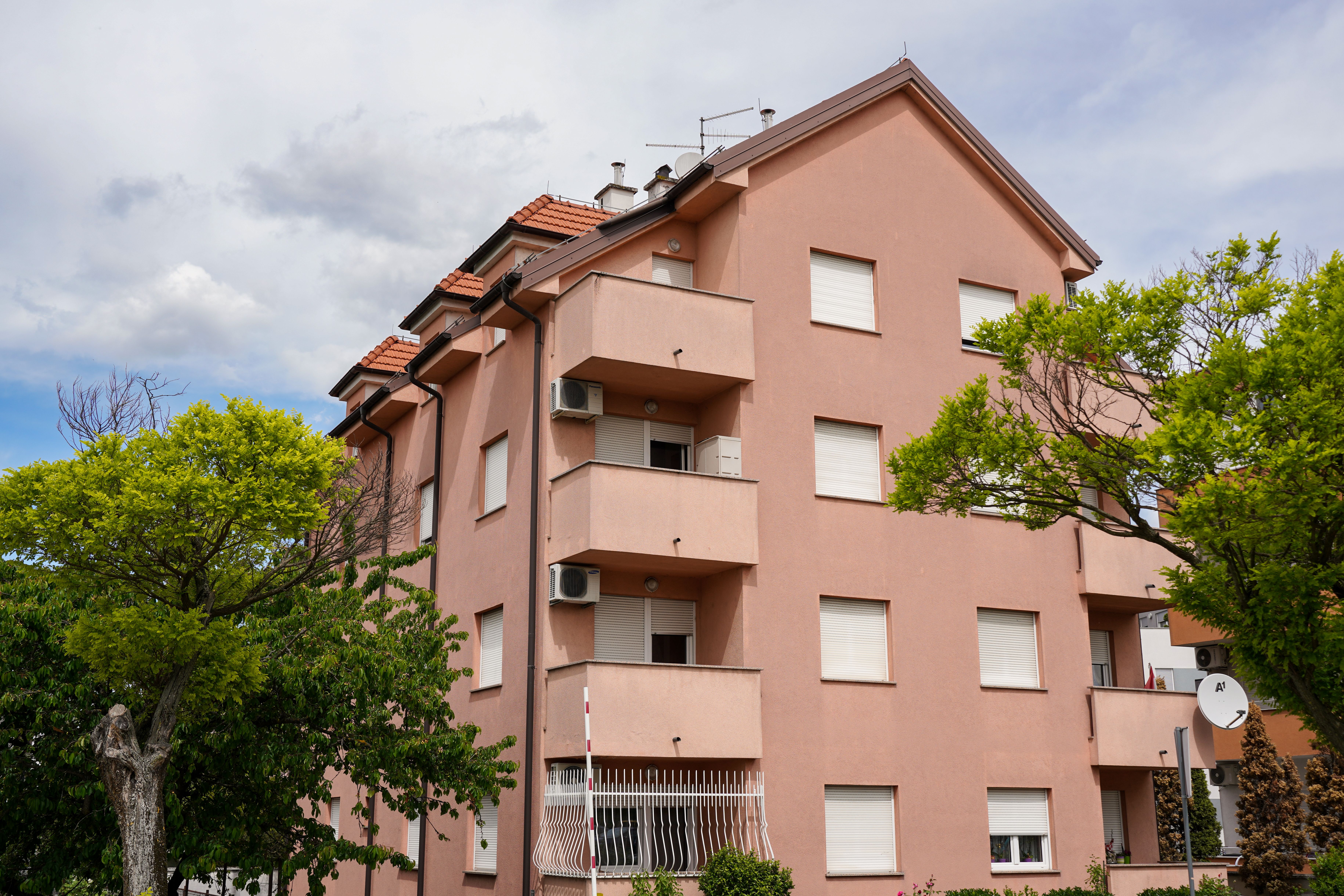
Discover how fractional ownership and co-ownership are revolutionizing access to luxury real estate and high-yield investment properties in 2026. This definitive guide explores top platforms, compares investment strategies, and unveils the future of wealth building through shared property assets, perfect for savvy investors seeking passive income and portfolio diversification.
Introduction to the Topic
The dream of owning a piece of prime real estate – a sprawling beachfront villa, a chic urban penthouse, or a lucrative commercial property – has long been synonymous with significant capital and complex management. However, in 2026, the landscape of real estate investment is undergoing a profound transformation, spearheaded by the burgeoning trend of fractional ownership and co-ownership. This innovative model is democratizing access to high-value assets, allowing investors to purchase a share of a property rather than the entire deed, unlocking opportunities that were once exclusive to the ultra-wealthy.
For discerning investors and lifestyle seekers alike, fractional ownership represents a potent blend of luxury access and smart financial strategy. It's not just about owning a vacation home; it's about strategically investing in income-generating properties, diversifying portfolios, and minimizing the traditional headaches of property management. As technology continues to streamline transactions and platforms mature, 2026 is poised to be a landmark year for this asset class, offering unprecedented flexibility and potential returns. Whether you're aiming for a lavish getaway spot or a robust passive income stream, understanding the nuances of fractional ownership is now essential for maximizing your real estate investment potential.
Backgrounds & Facts
While the concept of shared property ownership isn't new (think timeshares), modern fractional ownership is a sophisticated evolution, specifically designed to address the shortcomings of its predecessors. Unlike timeshares, which typically offer usage rights for a fixed period and depreciate in value, fractional ownership grants you a deeded, equity-based share of the property. This means you own a tangible asset that can appreciate, be sold, or even passed down, much like traditional real estate.
The growth of this sector has been exponential, fueled by several key factors in the mid-2020s. Post-pandemic shifts towards remote work and the desire for diverse travel experiences have increased demand for high-quality secondary residences. Simultaneously, rising property values in desirable locations have made full ownership prohibitive for many, even high-net-worth individuals. Fractional ownership bridges this gap, allowing multiple parties to co-invest in a single, high-value asset, spreading the cost and risk while sharing the benefits.
In 2026, the market for fractional ownership is segmented into several key areas:
- Luxury Vacation Homes: High-end properties in prime destinations (e.g., Aspen, Tuscany, Maldives) are frequently offered fractionally, providing owners with exclusive access for a set number of weeks per year without the full financial burden or maintenance worries.
- Urban Investment Properties: Increasingly, investors are pooling resources to acquire apartments or commercial spaces in bustling city centers, leveraging professional management to generate rental income and capital appreciation.
- Specialty Assets: Emerging trends include fractional ownership of unique assets like vineyards, private jets, or even eco-resorts, appealing to niche investor groups.
Legal frameworks have matured significantly since earlier iterations, with most reputable platforms now offering clear ownership structures, transparent operating agreements, and robust exit strategies. This clarity, combined with advanced digital platforms utilizing blockchain for enhanced security and smart contracts for automated governance, has instilled confidence and spurred widespread adoption. The global market for shared property ownership is projected to exceed $100 billion by 2030, with 2026 marking a critical inflection point for mainstream acceptance and innovation.
Expert Opinion / Analysis
“The real estate market of 2026 is defined by accessibility and efficiency, and fractional ownership is at the vanguard of this shift,” states Dr. Anya Sharma, a leading real estate economist at Global Property Insights. “We’re moving beyond the binary choice of ‘own all’ or ‘own none.’ Investors are now demanding more nuanced, flexible, and financially intelligent ways to engage with the property market.”
Dr. Sharma highlights several critical aspects:
- Risk Mitigation & Diversification: By investing smaller amounts across multiple fractional properties, investors can significantly diversify their real estate portfolios, reducing exposure to single-asset risks and potentially enhancing overall returns. This strategy is particularly appealing in volatile economic climates.
- Professional Management: A key differentiator from traditional co-ownership is the role of specialized platforms. These companies handle everything from property acquisition, legal structuring, and maintenance to concierge services and rental management. “This professional oversight is invaluable,” Dr. Sharma notes, “transforming what could be a headache into a truly passive income or lifestyle asset.”
- Technological Integration: The integration of AI for predictive analytics in property valuation and blockchain for secure, transparent ownership records is a game-changer. “Smart contracts are reducing friction and costs, making fractional property transactions faster and more trustworthy than ever before,” she adds. “This digital infrastructure is attracting a new generation of tech-savvy investors.”
The expert analysis also points to the evolving demographic of fractional owners. While initially appealing to high-net-worth individuals seeking luxury vacation homes, the model is increasingly attracting affluent millennials and Gen Z investors looking for smart ways to build wealth and experience premium lifestyles without tying up vast sums of capital. The focus has broadened from purely lifestyle assets to genuine investment vehicles, where ROI and appreciation are paramount.
However, Dr. Sharma cautions, “Due diligence remains crucial. Investors must meticulously vet platforms, understand the legal structure of the specific property, and be clear on exit strategies and fee structures. Not all fractional opportunities are created equal.” She predicts that the market will continue to consolidate around platforms that offer superior transparency, robust asset selection, and proven management capabilities.
💰 Best Options in Comparison (VERY IMPORTANT)
Navigating the burgeoning market of fractional ownership platforms in 2026 requires careful consideration of your investment goals, desired property type, and tolerance for management involvement. Here, we compare some of the leading (and representative) platforms that cater to different segments of the market, helping you make an informed decision to maximize your passive income and wealth building potential.
- LuxShare Estates: Specializing in ultra-luxury vacation homes in prime global destinations (e.g., European Riviera, Caribbean islands, mountain resorts). LuxShare focuses on seamless, high-end experiences, offering comprehensive concierge services and meticulously maintained properties. Ideal for those prioritizing lifestyle and exclusive access.
- UrbanYield Co-Op: Targets investors interested in high-yield urban rental properties in major metropolitan hubs (e.g., NYC, London, Singapore). UrbanYield focuses purely on investment returns, managing properties for long-term and short-term rentals, and providing detailed financial reporting. Perfect for income-focused investors.
- GreenVest Fractions: A niche platform dedicated to sustainable and eco-luxury properties, including biodynamic farms, off-grid retreats, and carbon-neutral villas. GreenVest appeals to impact investors who seek both financial returns and environmental stewardship.
- Aethel Realty (Blockchain-powered): A cutting-edge platform leveraging blockchain technology for global investment properties, from residential units to commercial spaces. Aethel offers unparalleled transparency, lower transaction fees, and greater liquidity through tokenized ownership, appealing to tech-savvy investors seeking global diversification.
| Feature | LuxShare Estates | UrbanYield Co-Op | GreenVest Fractions | Aethel Realty |
|---|---|---|---|---|
| Property Type Focus | Ultra-Luxury Vacation Homes | High-Yield Urban Rentals | Eco-Luxury, Sustainable Properties | Global Investment Properties (Tokenized) |
| Minimum Investment | $250,000+ | $50,000+ | $100,000+ | $1,000+ (per token) |
| Management Fees | High (10-15% of rental income + fixed ops fee) | Moderate (8-12% of rental income) | Moderate-High (10-14% of rental income + sustainability fee) | Low (2-5% via smart contracts) |
| Exit Strategy | Platform resale market, private sale | Platform resale market, property sale at term end | Platform resale market, ethical buyer network | Secondary token markets, direct sale |
| Unique Features | Personalized concierge, bespoke experiences | AI-driven market analysis, robust rental management | Eco-certification, community impact reports | Blockchain transparency, global access, high liquidity |
When considering an investment, evaluate not just the initial cost but also the ongoing fees, the platform's track record, the legal structure of ownership, and the liquidity of your fractional share. Each platform offers a distinct value proposition tailored to different investor profiles. Carefully compare their offerings against your personal financial goals and lifestyle aspirations.
Outlook & Trends
The trajectory for fractional ownership in 2026 and beyond is one of continued innovation and expansion. We anticipate several key trends shaping its future:
- AI-Powered Personalization: Expect platforms to leverage artificial intelligence even more deeply for personalized property recommendations, predictive analytics on appreciation potential, and optimized usage scheduling for vacation properties.
- Diversification into New Asset Classes: The model will likely expand beyond traditional residential and commercial properties into niche, high-value assets such as private islands, art collections, or even fractional ownership of renewable energy projects, appealing to a broader spectrum of investors.
- Regulatory Standardization: As the market matures, governments and financial bodies will likely introduce more standardized regulations, enhancing investor protection and fostering greater institutional investment. This will lend even more credibility to the sector.
- Global Interoperability: Blockchain-based platforms like Aethel Realty will lead the charge in creating seamless cross-border investment opportunities, allowing investors to easily acquire fractions of properties in diverse international markets, further enhancing portfolio diversification.
- Enhanced Liquidity: The development of more robust secondary markets for fractional shares will increase liquidity, making these investments more appealing to those who prioritize ease of exit.
- Sustainability and Impact Investing: The demand for platforms like GreenVest Fractions will grow significantly, as investors increasingly seek to align their financial goals with their ethical values, driving investment into properties with strong environmental and social governance (ESG) credentials.
Ultimately, fractional ownership is evolving from a niche concept into a mainstream investment strategy, offering a sophisticated pathway to participate in the lucrative real estate market with greater flexibility and lower entry barriers. Its future is intertwined with technological advancement and a global shift towards more collaborative and efficient asset utilization.
Conclusion
In 2026, fractional ownership has unequivocally emerged as a powerful and accessible avenue for both enjoying luxury real estate and pursuing smart investment property strategies. It skillfully marries the allure of high-value assets with the practicality of diversified, professionally managed portfolios, providing a compelling alternative to traditional full ownership.
For those looking to build wealth, generate passive income, or simply experience the pinnacle of lifestyle without the encumbrance of sole ownership, the time to explore these innovative platforms is now. By carefully comparing the best options, understanding their unique features, and aligning them with your personal financial objectives, you can unlock a world of opportunities in the dynamic real estate market of today and tomorrow. Don't just dream of owning a piece of paradise or a high-yield asset; make it a tangible reality through the intelligent approach of fractional ownership.