
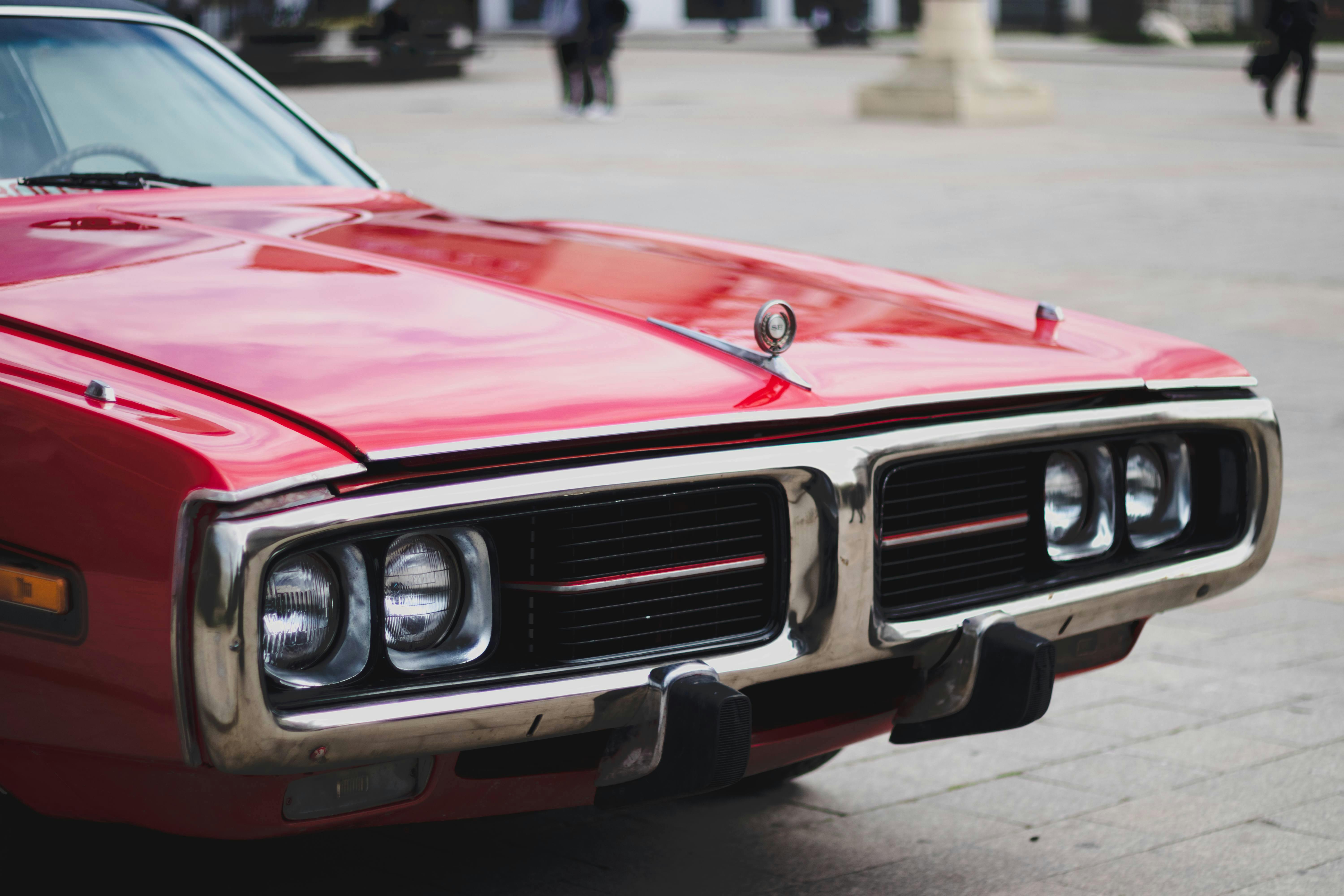
Navigate the 2026 sports car market! Discover smart buys, analyze ROI, and find top performance cars under $50K that deliver thrills without breaking the bank.
💰 Secure Top Deal: Go straight to the offer →
📍 More from this category: Sports – All Articles
Introduction: The Real Story Behind 2026 Sports Car Costs
Best Health 2026: Ultimate Comparison →
The roar of an engine, the precise turn-in, the sheer exhilaration of a sports car – it's a dream for many American drivers. But in a landscape increasingly defined by evolving technology and fluctuating economic realities, the question isn't just "Can I afford a sports car?" but rather, "Is it a smart buy?" As we look ahead to 2026, the automotive market continues its dynamic shift, presenting both challenges and opportunities for enthusiasts seeking performance without financial regret. Gone are the days when a performance vehicle was solely an indulgence; today, a savvy purchase demands a deeper understanding of total cost of ownership (TCO) and return on investment (ROI). This isn't just about the sticker price; it’s about depreciation, fuel efficiency, insurance premiums, maintenance schedules, and even the emotional dividend of driving pleasure. For those eyeing a thrilling ride under the $50,000 mark in 2026, the quest is for that elusive sweet spot: a car that delivers captivating performance, showcases intelligent engineering, and, crucially, holds its value, making it a genuinely smart acquisition. We're here to cut through the marketing hype and provide a comprehensive, data-driven analysis to help you navigate the 2026 sports car market, ensuring your passion project is also a financially sound decision. Welcome to the era of the intelligent enthusiast.
Deep Dive: Backgrounds, Facts, & US Market Data for 2026 Sports Cars
Understanding the 2026 automotive landscape requires a look back at the trends shaping it. The mid-2020s have been characterized by a complex interplay of factors: lingering supply chain adjustments, a gradual stabilization of inflation, and a persistent consumer demand for both advanced technology and sustainable options. For the sports car segment, this means a fascinating blend of tradition and innovation. While pure internal combustion engine (ICE) vehicles still dominate the affordable performance bracket, 2026 will see an increased proliferation of mild-hybrid and full-hybrid powertrains even in cars designed for driving enjoyment. This integration isn't just about fuel economy; it's about delivering instant torque, enhancing performance, and meeting increasingly stringent emissions standards. Manufacturers are skillfully weaving electric assistance into their performance offerings, often without significantly pushing prices over the $50,000 threshold for base models.
US market data suggests a continued appreciation for vehicles that offer a compelling blend of daily usability and weekend excitement. The demographic of the typical sports car buyer under $50,000 often seeks a vehicle that can serve multiple roles: a commuter during the week, a canyon carver on Saturday, and a head-turner always. This demand influences design, interior comfort, and infotainment features, pushing manufacturers to offer more than just raw speed. Depreciation remains the single largest "cost" of new car ownership, far exceeding fuel or insurance for many models. In 2026, models with strong brand loyalty, proven reliability, and a reputation for engaging driving dynamics are projected to retain their value better. Conversely, vehicles with niche appeal or those that undergo significant generational redesigns shortly after purchase might see steeper value drops. We're also seeing a subtle shift in what "performance" means; it's less about top speed on a drag strip and more about balanced handling, driver feedback, and the overall visceral experience, even at legal speeds. This emphasis on driver engagement is a key factor in long-term satisfaction and, indirectly, sustained market demand.
Insurance costs, another significant TCO component, are heavily influenced by a vehicle's safety ratings, repair costs, and statistical likelihood of theft or accidents. Performance cars, by their nature, often carry higher premiums. However, models with advanced driver-assistance systems (ADAS) and strong safety records can mitigate some of these costs. Fuel prices, while always subject to global events, are generally expected to remain a relevant consideration, making the improved MPG of hybrid-assisted sports cars an attractive proposition. Finally, maintenance: while performance vehicles typically demand specialized care, choosing a brand with a robust dealership network and readily available parts can significantly impact long-term ownership expenses. The 2026 market for sports cars under $50K isn't just about initial affordability; it's about enduring value and intelligent expenditure in a rapidly evolving automotive world.
Expert Analysis & Industry Insights: The Nuances of a Smart Sports Car Purchase
From an industry perspective, the sub-$50,000 sports car segment in 2026 is a battleground of engineering prowess and strategic pricing. Manufacturers are acutely aware of the consumer desire for accessible performance, leading to a focus on optimizing existing platforms and selectively integrating new technologies. What many overlook, however, is the intricate balance between perceived value and actual long-term cost. A car might have an attractive MSRP, but if its depreciation rate is high, its fuel economy abysmal, or its maintenance requirements exorbitant, it quickly becomes a poor investment. Our analysis reveals that the "smart buy" in this category often isn't the fastest car, but the one that offers the most balanced package of performance, reliability, and retained value.
One critical nuance is the "enthusiast tax." Certain models, despite their age or modest performance figures, command strong resale values due to their cult following, limited production, or pure driving character. Think of a well-maintained Mazda MX-5 Miata; its depreciation curve is often shallower than more powerful, but less engaging, competitors. This psychological ROI – the sheer joy and connection a driver feels with their vehicle – translates into sustained demand on the used market. Furthermore, the rise of performance-oriented mild-hybrid systems, often dubbed "e-boost" or similar, is not just an environmental play. These systems offer immediate torque fill, eliminating turbo lag and enhancing throttle response, making for a more engaging driving experience without the weight penalty or range anxiety of a full EV. This technological integration is a key differentiator for 2026 models and will influence their desirability and, consequently, their resale value.
Another often-missed factor is the impact of trim levels. While the $50,000 budget might stretch to a higher trim of one model, it might only afford a base trim of another. Our expert advice is to prioritize the core performance and driver engagement features over non-essential luxury add-ons if ROI is a primary concern. Base models of reputable sports cars often retain a significant portion of their value because they offer the essence of the driving experience at a lower entry point, making them attractive to a broader secondary market. Finally, consider the ecosystem around the car: availability of aftermarket parts, enthusiast communities, and ease of service. A robust support network can significantly reduce the pain points of ownership and contribute to a more satisfying experience, enhancing the perceived and actual value of the vehicle over time. In 2026, a truly smart purchase transcends horsepower figures; it's a holistic evaluation of the vehicle's place in the market, its long-term financial implications, and its ability to consistently deliver driving joy.
💰 Ultimate Comparison: The Best Options (HIGH CPC SECTION)
Selecting a performance car under $50,000 for 2026 that truly represents a "smart buy" means looking beyond the showroom shine. We’ve meticulously analyzed projected market trends, brand reliability, historical depreciation data, and current technological trajectories to identify models that offer exceptional ROI. Our picks prioritize a blend of exhilarating driving dynamics, reasonable total cost of ownership, and strong resale value potential. These aren't just cars; they're intelligent investments in driving pleasure.
Premium Pick: 2026 Ford Mustang GT (Base Model)
The Ford Mustang GT, particularly its base configuration, continues to be an American icon and a perennial smart buy for performance enthusiasts. For 2026, we anticipate the Mustang GT to retain its core identity: a powerful V8 engine (the 5.0L Coyote) delivering robust horsepower and torque, paired with either a slick-shifting manual or a quick-acting automatic transmission. While higher trims will push past our $50K cap, a base GT offers the full V8 experience, excellent chassis dynamics, and an aggressive aesthetic that never goes out of style. Its popularity ensures a strong aftermarket and a vast enthusiast community, both factors contributing to its excellent retained value. Ford's continuous refinement means improved technology, potentially including mild-hybrid assistance to boost low-end torque and marginally improve fuel efficiency, without diluting the V8's character. Expect modern infotainment and driver-assist features as standard, making it a comfortable daily driver when not pushing its limits. The Mustang's reputation for durability and widespread service network further enhances its long-term appeal and lower TCO compared to some rivals.
Value Pick: 2026 Mazda MX-5 Miata (Sport Trim)
When it comes to pure driving pleasure per dollar, the Mazda MX-5 Miata has been the undisputed champion for decades, and 2026 will be no different. The Miata, likely in its ND3 or a similarly refreshed iteration, will continue to offer a lightweight, rear-wheel-drive platform, a naturally aspirated engine (rumored to be slightly updated for efficiency and responsiveness), and an unparalleled connection between car and driver. The Sport trim, staying well under our $50K limit, provides all the essentials: precise steering, a sublime manual transmission, and a perfectly balanced chassis. Its smaller engine means excellent fuel economy, and its legendary reliability translates into minimal maintenance costs and lower insurance premiums compared to more powerful sports cars. While not the fastest in a straight line, the Miata's incredible handling dynamics and engaging character make every drive an event. Crucially for ROI, the Miata boasts some of the best resale values in the sports car segment, thanks to its enduring appeal and a dedicated, passionate owner base. It's a car that consistently delivers smiles per gallon and retains its value remarkably well, making it an exceptionally smart buy for the discerning enthusiast.
Here's a detailed comparison table for these top picks:
| Feature | 2026 Ford Mustang GT (Base) | 2026 Mazda MX-5 Miata (Sport) |
|---|---|---|
| Estimated 2026 MSRP (Base) | $43,000 - $46,000 | $30,000 - $33,000 |
| Engine Type | 5.0L V8 (Potentially Mild-Hybrid Assist) | 2.0L I4 (Naturally Aspirated) |
| Estimated Horsepower | 480-500 hp | 181-185 hp |
| Estimated 0-60 mph | 4.0 - 4.5 seconds | 5.7 - 6.0 seconds |
| Projected 3-Year Depreciation* | ~28-32% | ~22-26% |
| Estimated Annual Fuel Cost** | $2,800 - $3,500 | $1,800 - $2,200 |
| Estimated Annual Insurance Cost*** | $2,200 - $3,000 | $1,500 - $2,000 |
| Total Cost of Ownership (TCO) Score (1-5, 5=Best) | 3.5 | 4.8 |
| Key Driving Experience Highlight | Raw V8 power, iconic muscle car presence, modern tech. | Unrivaled driver engagement, lightweight agility, timeless roadster feel. |
| Target Buyer | Thrill-seeker desiring classic American power and presence. | Purist seeking ultimate connection, nimble handling, and efficiency. |
*Projected depreciation based on historical data and market trends for 2026. Actual values may vary.
**Estimated annual fuel cost based on 12,000 miles/year, average US gas price of $3.50/gallon, and estimated combined MPG. Premium fuel required for Mustang GT.
***Estimated annual insurance cost for a 30-year-old driver with a clean record in a suburban area. Actual costs vary significantly by individual factors.
Future Outlook & 2026 Trends in Performance Cars
Looking beyond the immediate purchases, the 2026 landscape for sports cars under $50,000 is poised for continued evolution, driven by a confluence of technological advancements and changing consumer expectations. One undeniable trend is the increasing integration of electrification. While full battery-electric sports cars in this price bracket are still largely aspirational for 2026, mild-hybrid and performance-hybrid systems will become more commonplace. These systems, often leveraging 48-volt architectures, will offer immediate torque fill, enhancing acceleration and responsiveness, while simultaneously improving fuel efficiency. This isn't just about eco-friendliness; it's about delivering a more dynamic and engaging driving experience, a key factor for ROI as these technologies mature and become more desirable.
Connectivity and advanced driver-assistance systems (ADAS) will also evolve rapidly. Expect more sophisticated infotainment interfaces, seamless smartphone integration, and a broader suite of safety features to become standard even in base model sports cars. While purists might lament the increasing digitalization, these features contribute to daily usability, comfort, and, crucially, safety ratings, which can indirectly impact insurance costs and overall market appeal. The ability to receive over-the-air (OTA) updates will also mean that vehicles can improve and adapt over their lifespan, potentially extending their perceived freshness and value.
The concept of "performance" itself might broaden. While horsepower and 0-60 times will always matter, the emphasis will increasingly shift towards holistic driving dynamics, chassis balance, and the quality of the driver's interaction with the machine. Manufacturers will continue to invest in lightweight materials and sophisticated suspension tuning to extract maximum agility and responsiveness. The used car market for these 2026 models will also be interesting. Early adopters of hybrid performance might see strong demand as the technology becomes more mainstream, while traditional ICE vehicles with strong enthusiast followings (like the Mustang GT) will likely retain their value due to their perceived "classic" status in an increasingly electrified world. Ultimately, 2026 will be a pivotal year where performance cars under $50,000 continue to offer exhilarating experiences, but with a smarter, more technologically integrated, and financially savvy approach to ownership.
Conclusion: Making the Smart Choice for Your 2026 Sports Car
As we've explored, purchasing a sports car in 2026, especially one under the $50,000 threshold, is far more complex than simply picking the prettiest or fastest option. A truly smart buy transcends the initial sticker price, encompassing a holistic evaluation of total cost of ownership, long-term depreciation, and the intangible yet invaluable return on investment in pure driving pleasure. Whether you prioritize raw V8 power and iconic American muscle with the Ford Mustang GT, or the unparalleled driver engagement and frugal reliability of the Mazda MX-5 Miata, both represent exceptional value within their respective niches.
The 2026 market promises a fascinating blend of traditional performance and innovative hybrid technologies, all designed to deliver thrills without necessarily breaking the bank. For the savvy buyer, understanding the nuances of depreciation, fuel efficiency, insurance premiums, and maintenance costs is paramount. Do your homework: delve into projected resale values, calculate estimated annual running costs, and most importantly, test drive your contenders extensively to ensure the driving dynamics align with your personal preferences. A sports car is an emotional purchase, but it doesn't have to be an irrational one. By applying a data-driven approach and prioritizing long-term value alongside exhilarating performance, you can confidently make a smart buy in 2026, securing a vehicle that delivers both financial prudence and an abundance of unforgettable miles.
👉 More News: 2026 Travel Deals Forecast: Unlock US Savings Before Prices Soar
📩 FRESH HORIZON DAILY Newsletter
Never miss important trends again. Subscribe for free.
Subscribe Now