
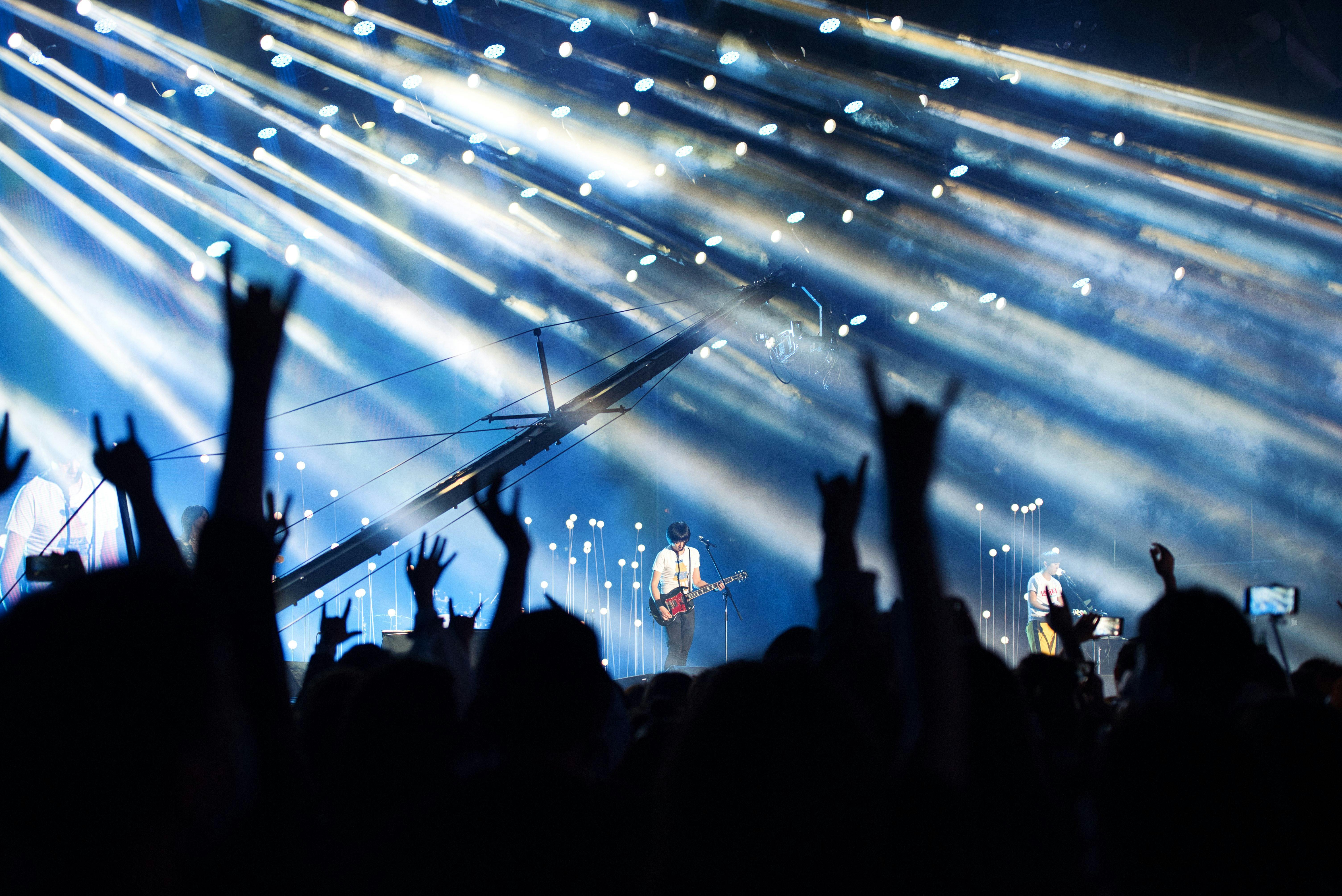
A Broadway production sells tickets to full houses for weeks before its official opening. Those preview performances are not a soft launch for marketing; they are the last and most important stage of building the show.
Some problems only appear with an audience
A rehearsal room can settle blocking, music and design. It cannot tell a creative team where laughter will land, where attention will drift, or how long a scene feels.
Comic timing is the clearest example. A joke that plays in rehearsal may need three extra beats once a thousand people are reacting, and the only way to learn that is to play it.
Pacing works the same way. A number that seemed tight on paper can feel long when an audience has already understood the point it is making.
Changes are made between performances
During previews a company typically rehearses in the afternoon and performs at night, with the afternoon spent installing whatever the previous evening exposed.
Cuts are the most common change. Lines, verses and occasionally whole numbers disappear, because trimming is faster to stage safely than adding new material.
Performers absorb these revisions continuously, which is why preview casts often carry updated pages into the theater and why understudies rehearse a moving target.
The technical load is enormous
Modern productions run automated scenery, complex lighting cues and layered sound, all of which must be sequenced to the second and are unforgiving of change.
Every alteration to the script can require the whole cue stack to be renumbered and rehearsed again. Technical rehearsals during previews are slow for that reason.
A show that changes an entrance can find itself resetting scenery tracks, wardrobe timings and follow-spot cues that were built around the old version.
Critics wait because the show is not fixed
Reviewers are invited only after the production is frozen, meaning no further changes will be made. Until then, a review would describe a version the audience may never see.
Producers set and occasionally move the opening date. Pushing it back buys more preview time, which is expensive but cheaper than opening a show that is not ready.
Word of mouth still travels during previews, and audiences post reactions, so the convention protects the formal review rather than secrecy.
Why audiences buy preview tickets anyway
Preview seats are usually cheaper, and for some theatergoers the appeal is seeing a production in motion, before the version that will run for years is locked.
The tradeoff is real. A preview can include a stop, a technical hold, or a performance where a change has not yet settled into the cast's muscle memory.
That risk is the price of watching the last part of the writing happen in public rather than behind a rehearsal room door.