
A flat is typically let for a year while a shop or office is let for several. The difference comes from who pays to make the space usable and how long that investment takes to recover.
The space arrives unfinished
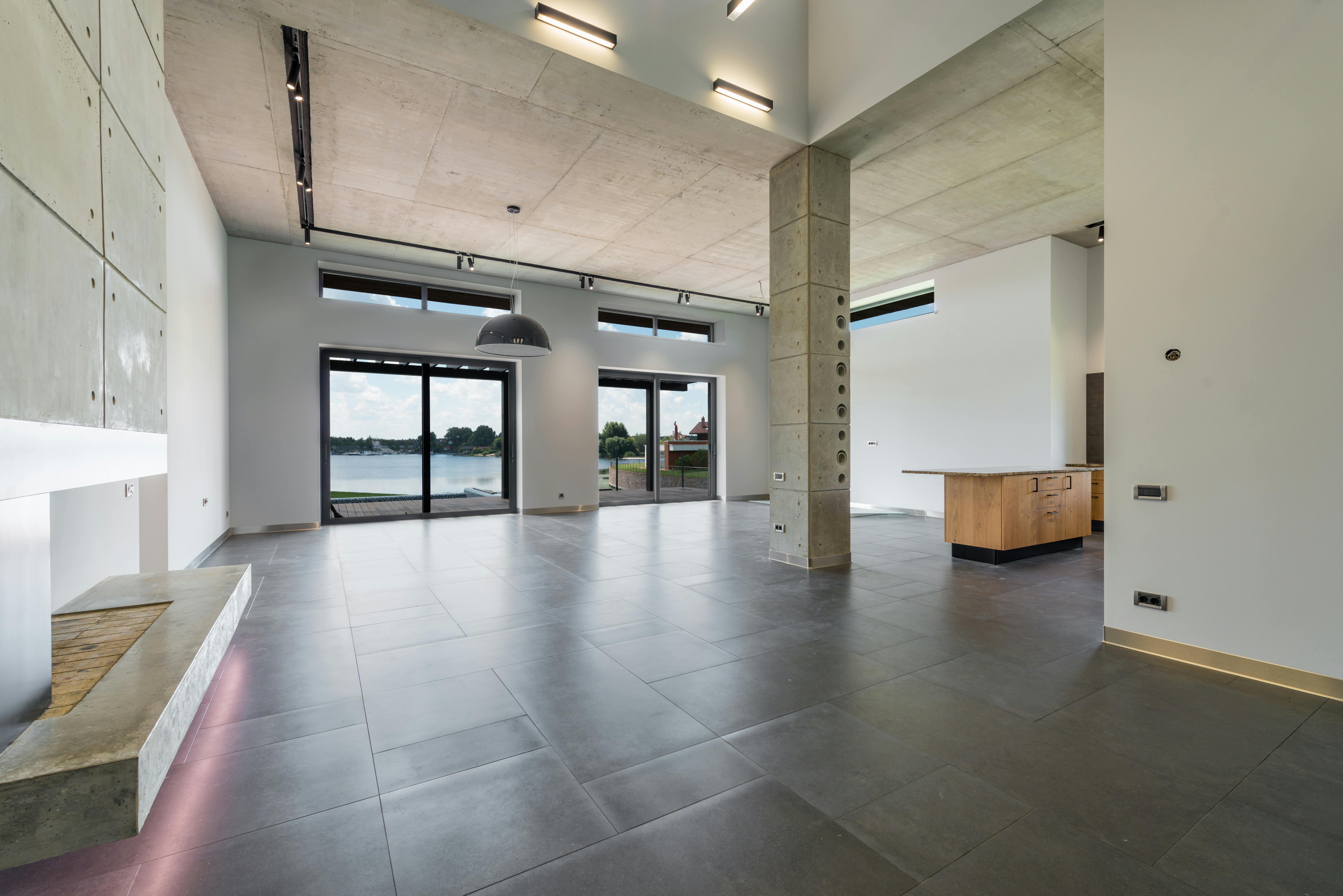
Commercial premises are frequently handed over as a shell, with bare floors, exposed services and no internal layout.
The tenant then builds the fit-out, which is a substantial capital outlay written specifically for that business in that unit.
Nobody spends that money on a twelve-month term, so the length of the lease is set by the time needed to earn the investment back.
Landlords are protecting an income stream
A commercial building is usually valued on the income it produces, and a long lease to a solid tenant supports both the valuation and the lending against it.
Short lets would leave the income uncertain, which raises the cost of finance for the owner and reduces what the building is worth.
Length therefore has value in itself, which is why landlords will trade rent-free periods and contributions to fit-out costs in exchange for a longer term.
Voids are expensive on both sides
An empty commercial unit still costs the owner in taxes, insurance and security, and re-letting takes far longer than re-letting a home.
The tenant faces its own version of the same problem, since relocating a business interrupts trade and forces a second fit-out.
Both parties are therefore biased towards stability, and the long lease is the instrument that delivers it.
Flexibility is bought back in clauses
A long term without an exit would be unattractive, so leases include break clauses allowing one or both sides to end the agreement at set points.
Rent review provisions do similar work on price, adjusting the rent periodically so a long lease does not lock either side into an outdated figure.
These mechanisms are heavily negotiated precisely because they determine how much of the apparent security actually holds.
Why the pattern is loosening
Demand for shorter and more flexible arrangements has grown, particularly for office space, and serviced operators have built a business on supplying it.
Those operators still sign long leases with building owners and resell short ones, which relocates the risk rather than removing it from the system.
The underlying economics are unchanged: someone must hold the long commitment, and whoever does is paid for carrying it.