
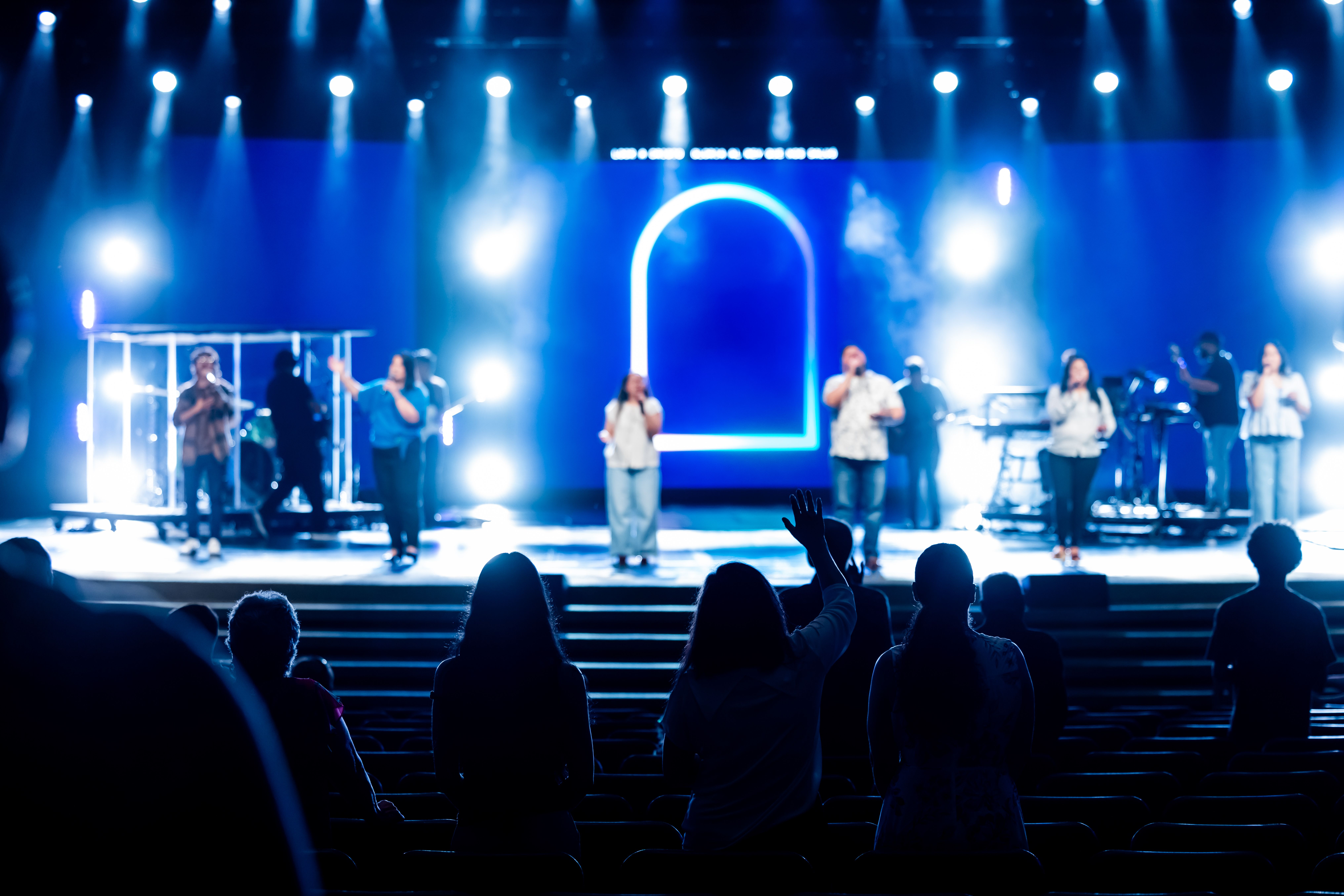
A show that tours is rarely a copy of the version that ran in its original theatre. It is a redesign built around the constraints of moving a production every week.
The set has to fit on trucks
A resident production can build permanently into one building, anchoring machinery to the stage and using height the venue offers.
A touring set must break into sections that fit standard trailers, and the number of trailers is a budget line rather than an open question.
Designers therefore rebuild the show around modular pieces, projection and lighting, which travel far more efficiently than heavy scenery.
Load-in time sets the ceiling
Arriving on a Tuesday for a Wednesday opening leaves a fixed number of hours to unload, rig, focus lights and run a technical rehearsal.
Anything that cannot be assembled and tested inside that window has to be redesigned, however well it worked in the original run.
Crews rehearse the assembly itself, and the order in which trucks are packed is determined by the order things must come off them.
Venues are not interchangeable
Touring houses differ in stage depth, wing space, ceiling height and the weight their grids can carry.
A production must play the smallest of them, so the design is cut to fit the tightest venue on the route rather than the most generous.
Larger houses then receive a show that does not fill the space, which is one reason the same production can feel different in two cities.
Company size follows the same economics
Every performer and crew member on the road carries travel and accommodation costs for the length of the tour.
Productions respond by reducing ensemble numbers, doubling roles and reorchestrating the score for a smaller band supported by prerecorded elements.
Those choices are audible and visible, and they are the most common source of the observation that a touring version feels lighter.
What the rebuild is protecting
The purpose of all this is to make the show reproducible in dozens of buildings without a technical failure on opening night.
Reliability is worth more on tour than spectacle, because a cancelled performance cannot be rescheduled once the trucks have left for the next city.
The touring edition is best understood as the version engineered to survive the schedule, not a reduced version of the original intent.